The Great Meme Reset of 2026
A campaign to return memes to 2016, which is either the most self-aware thing the internet has ever done or the least.
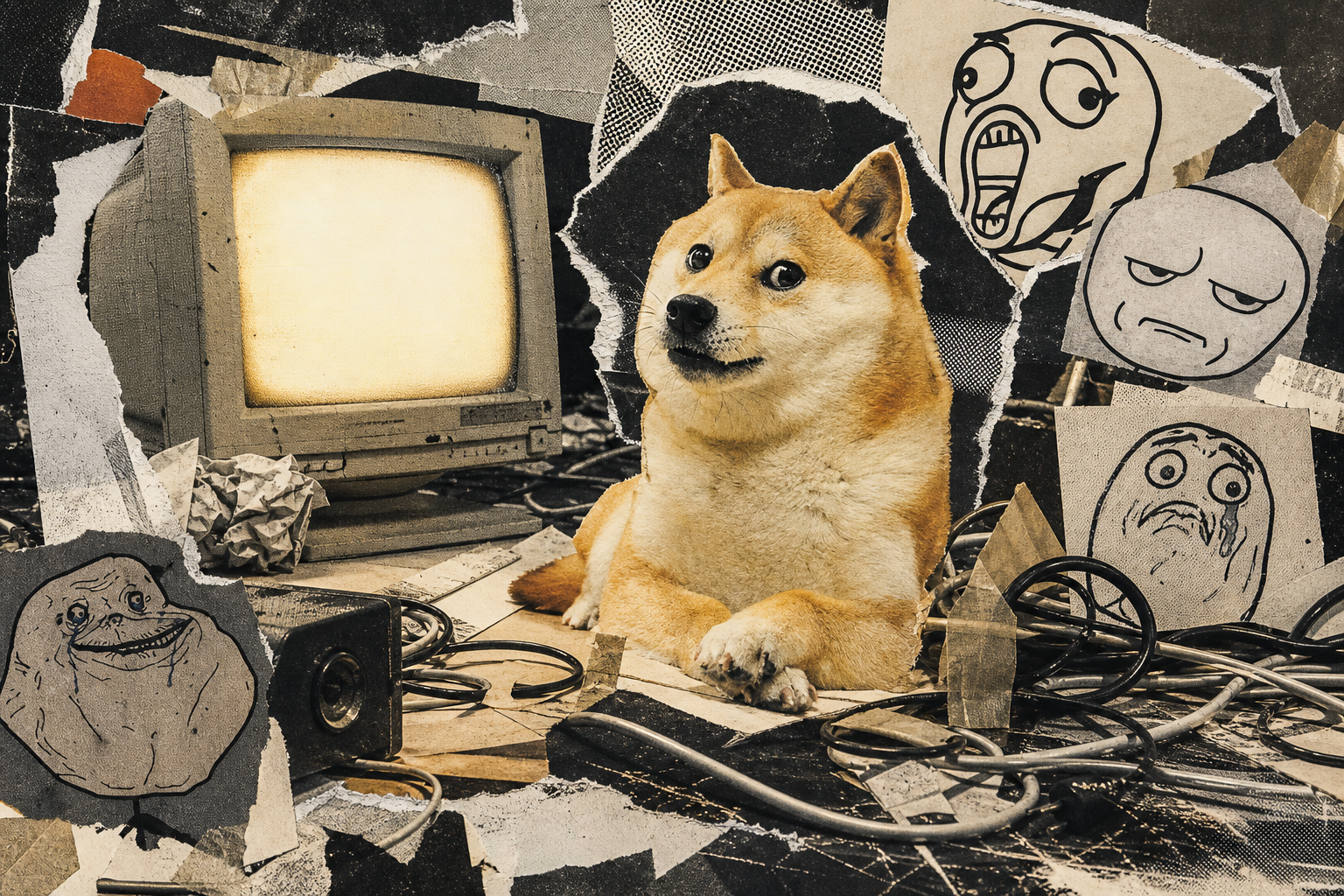
The story begins, as these things do, with a grievance. March 2025 produced what observers named a meme drought — a glut of forced, algorithmically niche TikTok content that felt authored by committee and received accordingly. Into this gap stepped @joebro909, who on 13 March 2025 posted a skit proposing a Great Meme Reset: a hard reboot, scheduled for 1 January 2026, after which the internet would return to 2016-era dank memes. Big Chungus. Ugandan Knuckles. Rage comics. The plan had no mechanism, no enforcement body, and no particular chance of working, which is what made it resonate.
The reset idea folded neatly into the '2026 is the new 2016' nostalgia current that ran through Instagram and TikTok in December 2025 and January 2026 — a widespread, largely ironic conviction that the previous decade's internet had been funnier, looser, and less managed. It also caught the 'Who left you in 2025?' wave, which mocked anyone still deploying 6-7 past its expiration date. The holdouts were named, gently, as people who had missed the memo. The memo being: there was a reset. You were supposed to have noticed.
What gives the Great Meme Reset its unusual staying power — even now, in decline — is that it is genuinely about something. It is meme culture attempting to diagnose its own exhaustion and legislate a fix, which is both a reasonable impulse and a structurally absurd one. Culture does not reset on a schedule. 2016's memes were not better; they were just younger. The nostalgia is not for the content but for the feeling of encountering it the first time, when the internet still felt like it was making things up rather than optimising them. That feeling does not restore. The reset, such as it was, happened in January 2026 and the internet looked much the same.
p.8 · Reel Media · Issue 01