Clanker
The internet's preferred insult for robots and AI — a word that began in a 2005 Star Wars game and ended up in a Senate press release.
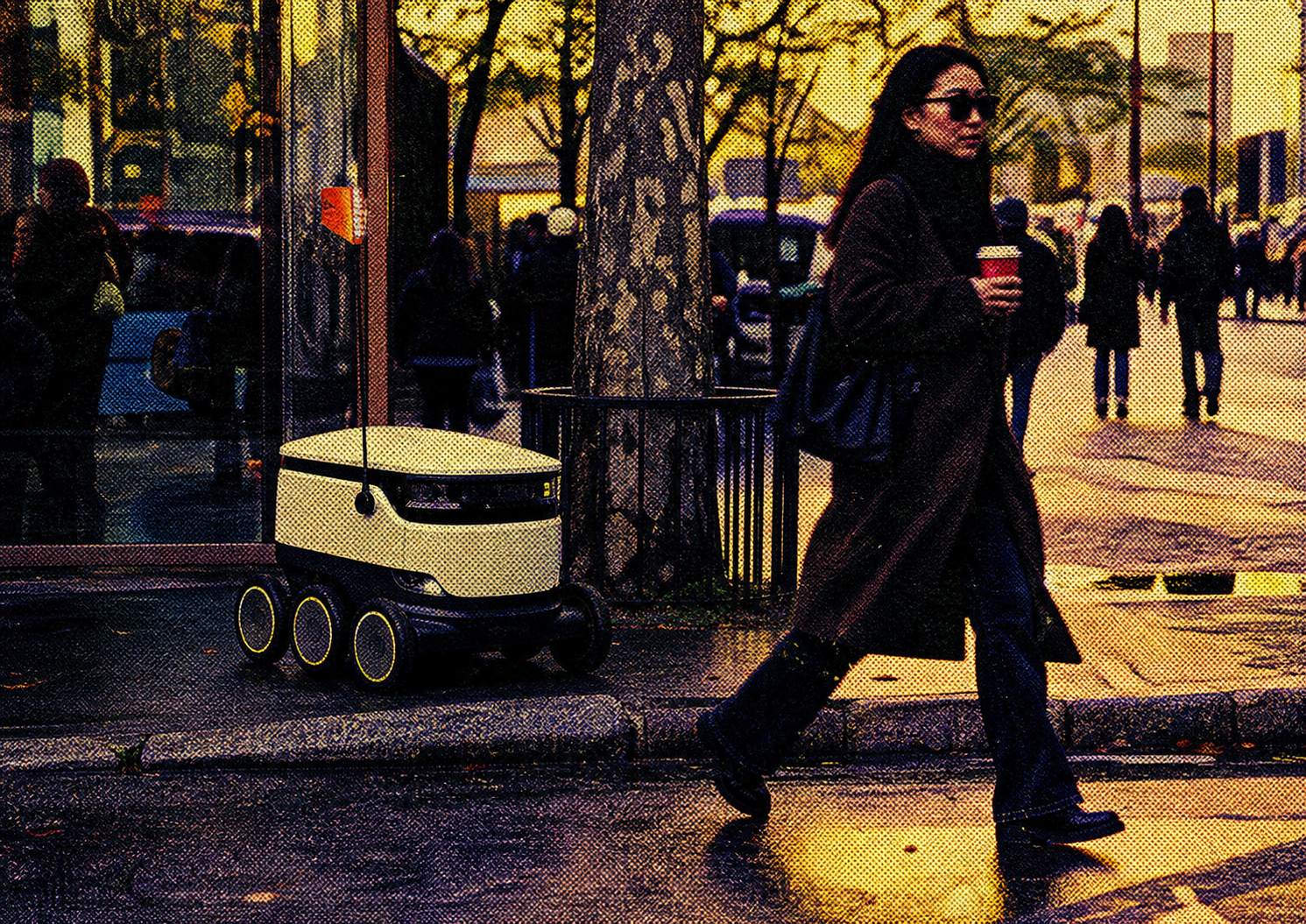
A clanker is a robot. More specifically, it is a robot you resent: the delivery bot blocking the pavement, the customer-service chatbot reading from a script it does not understand, the voice at the end of a phone line that cannot hear the word "representative" no matter how many times you say it. The term sits at the top of both reach and escape-velocity charts for 2025, which means it spread fast and it did not come back. It belongs to the language now.
The word is older than the robots it describes. It first appeared as anti-droid slang in Star Wars: Republic Commando, a first-person shooter released by LucasArts in 2005, and then entered wider circulation through Star Wars: The Clone Wars, the animated series that began in 2008. For the better part of two decades it lived quietly on Battlefront forums and Star Wars subreddits, where it was used with the light irony appropriate to a word borrowed from a fictional war. The droids it described were fictional. Then the real ones arrived.
The word went viral on TikTok and Instagram in mid-2025, the timing coinciding, as linguist Adam Aleksic — author of Algospeak — put it, with a genuine "cultural need": robots had entered daily life and the language did not yet have a satisfying way to name the irritation. Clanker filled the gap. NPR and USA Today ran explainers. Rolling Stone called it "the internet's new favourite slur." Senator Ruben Gallego of Arizona promoted his Keep Call Centers in America Act in a July 2025 post on X with the line: "Sick of yelling 'REPRESENTATIVE' into the phone 10 times just to talk to a human being? My new bill makes sure you don't have to talk to a clanker if you don't want to." A senator had used a TikTok insult in official communications. Derivatives spawned in its wake — wireback, cogsucker, rustbucket, tin-skin — but none of them made it to the Senate.
The critical argument arrived alongside the popularity. Axios, citing linguist Geoffrey Nunberg, drew a distinction: clanker is "merely a derogatory word, rather than a slur, because it does not perpetuate social inequities." USA Today and linguist Gaillynn Clements were less comfortable, noting the word's structural resemblance to a category of language with a longer and worse history. The debate has a certain quality familiar to anyone who has watched a joke become a question: the funnier you find it, the less you have thought about it; the more you think about it, the less funny it becomes.
What the debate tends not to address is the logic embedded in the insult itself. To call a machine a clanker — to dehumanise it — you must first treat it as human enough to dehumanise. The word is an anthropomorphism wearing the clothes of its opposite. It is, in this respect, a precise record of where we are: close enough to the robots to be annoyed by them, not close enough to have worked out what they are. Adults are already using it in committee hearings. It will be defanged by a branded campaign inside eighteen months. By then the teenagers who coined it, or re-coined it, will have moved on to something we do not have an explainer for yet.
p.1 · Reel Media · Issue 01